
Forecasting vs budgeting is a common topic in financial planning, yet many beginners confuse the two. While both help you plan your finances, they serve different purposes.
A budget sets a financial plan for how you intend to spend and save money. A forecast estimates what will likely happen based on real data and trends.
Understanding the difference between forecasting and budgeting can help you make smarter decisions with your money, whether you’re managing personal finances, running a business, or planning long-term financial goals.
In this guide, we’ll break down the key differences in simple terms and show how both tools work together. You can also read our Saving Money Guide to learn the basics about finance.

What Is Budgeting?
A budget is a financial plan that outlines how you expect to allocate your money over a specific period, usually monthly or annually.
Budgets help you control spending and prioritize financial goals.
A typical budget includes categories like:
- Housing
- Food
- Transportation
- Savings
- Debt payments
- Entertainment
For individuals and families, budgeting is often the first step toward financial stability.
If you’re new to budgeting, this guide explains how to build one step by step:
Related guide on FluentMoney: How to Build a Budget That Actually Works (Simple 9-Step Guide)
What Is Forecasting?
Forecasting estimates what your financial situation will likely look like in the future based on historical data and trends.
Instead of setting spending limits, forecasting focuses on predicting outcomes.
Examples of forecasting include:
- Estimating next month’s income
- Predicting annual expenses
- Projecting business revenue
- Forecasting investment growth
Financial forecasting is widely used in both personal finance and business planning.
For example, investors often forecast potential investment returns when building portfolios.
You can learn more about forecasting in financial planning through resources like Investopedia’s overview of financial forecasting.
Forecasting vs Budgeting: The Key Difference
The simplest way to understand forecasting vs budgeting is this:
Budget = financial plan
Forecast = financial prediction
A budget sets targets for spending and saving, while a forecast estimates what will realistically happen.
Both tools are valuable because they help you plan, monitor, and adjust your finances over time.
7 Key Differences Between Forecasting vs Budgeting
1. Purpose
Budgeting: Controls spending and sets financial goals.
Forecasting: Predicts future financial performance.
A budget answers the question:
“How should I spend my money?”
A forecast answers:
“What will likely happen financially?”
2. Timeframe
Budgets are usually created for fixed periods, such as:
- Monthly budgets
- Annual budgets
Forecasts can be continuously updated as new financial data becomes available.
Businesses often update forecasts quarterly or even monthly.
3. Flexibility
Budgets tend to be more rigid.
For example, you might allocate:
- $500 for groceries
- $200 for entertainment
Forecasts are more flexible because they adapt based on changing conditions.
If your income increases, your forecast may change accordingly.
4. Data Sources
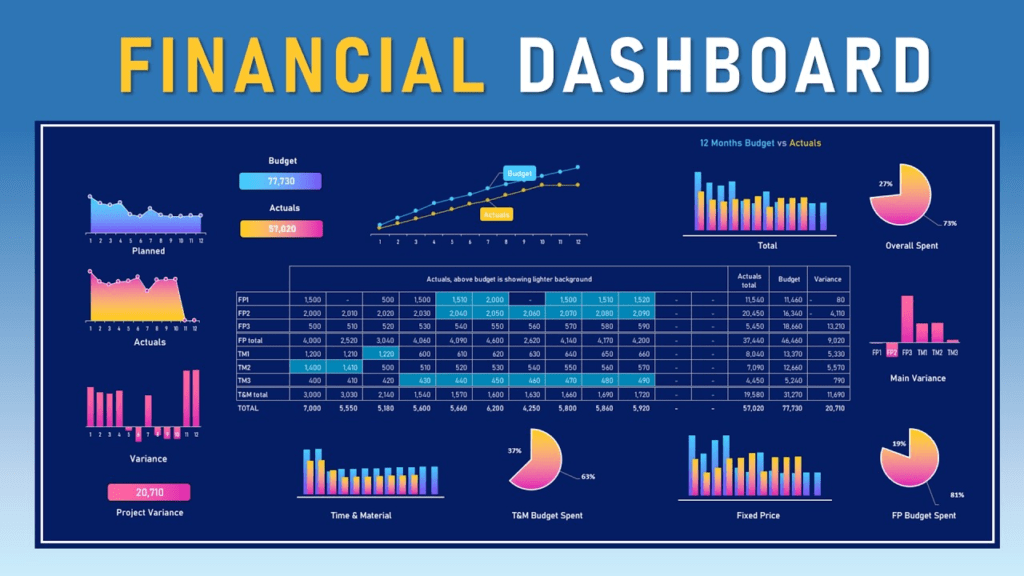
Budgets rely primarily on planned estimates.
Forecasts rely heavily on historical financial data and trends.
For example:
- A budget might estimate $4,000 monthly income.
- A forecast might analyze the last 12 months of income to predict future earnings.
5. Decision-Making
Budgets guide day-to-day financial decisions.
Forecasts guide strategic planning.
Businesses often use forecasts to decide when to:
- Expand operations
- Hire employees
- Launch new products
Individuals can use forecasts to plan major goals like buying a home or retiring.
6. Frequency of Updates
Budgets are typically updated:
- Monthly
- Yearly
Forecasts may be updated much more frequently as new information becomes available.
This allows forecasts to adjust to economic changes.
7. Level of Detail
Budgets usually include detailed spending categories.
Forecasts often focus on big-picture financial trends, such as:
- Revenue growth
- Expense changes
- Cash flow projections
Why Both Forecasting and Budgeting Matter
Forecasting vs budgeting shouldn’t be viewed as a competition.
They work best together.
For example:
- A budget sets your monthly spending plan.
- A forecast predicts how your finances will evolve over time.
Using both tools helps you:
- Stay disciplined with spending
- Prepare for future financial changes
- Adjust plans as needed
Strong financial planning typically includes both budgeting and forecasting.
Related guide: 10 Benefits of Saving Money
Example of Forecasting vs Budgeting in Personal Finance
Let’s look at a simple example.
Monthly Budget Example
| Category | Budget |
|---|---|
| Income | $4,000 |
| Housing | $1,400 |
| Food | $500 |
| Transportation | $300 |
| Savings | $600 |
| Other expenses | $1,200 |
This budget tells you how to allocate your income.
Financial Forecast Example
A forecast might project:
- Income growth of 5% next year
- Increased rent costs
- Rising grocery prices
This helps predict future financial conditions.
Forecasting vs Budgeting for Long-Term Goals
Both tools are useful when planning long-term financial goals like:
- Saving for retirement
- Buying a home
- Building investments
For example:
- Budgeting helps you set aside money each month.
- Forecasting estimates how much those savings might grow.
If you want to start investing, this guide explains how beginners can begin with small amounts:
Related guide on FluentMoney: 100 Tips for Saving Money
Related guide on FluentMoney: Emergency Fund Explained
Understanding both budgeting and forecasting can help you build a stronger financial future.
Common Mistakes People Make
When learning about forecasting vs budgeting, beginners often make a few mistakes.
Treating Budgets as Predictions
Budgets are plans, not guarantees.
Unexpected expenses can always occur.
Ignoring Financial Trends
Forecasting requires reviewing past financial data to make accurate predictions.
Not Updating Financial Plans
Both budgets and forecasts should be reviewed regularly.
Financial situations change over time.
Conclusion
Forecasting vs budgeting may seem similar at first, but they serve different roles in financial planning.
A budget helps control how money is spent and saved today, while a forecast predicts how your finances may evolve in the future.
When used together, these tools provide a clearer picture of your financial situation and help you make better decisions over time.
Whether you’re managing personal finances or running a business, learning the difference between forecasting and budgeting is a valuable step toward smarter financial planning.
Next Steps
If you want to strengthen your financial planning skills:
- Start by creating a simple monthly budget.
- Track your income and expenses over time.
- Use past financial data to forecast future trends.
- Adjust your financial plans regularly.
Combining budgeting and forecasting can help you stay in control of your finances and reach long-term financial goals more confidently.