

Interest rates in 2026 are one of the biggest forces shaping the economy — and your money.
Whether you’re investing in stocks, saving in a high-yield account, buying a home, or paying off debt, today’s rate environment affects your financial decisions. After several years of aggressive Federal Reserve rate hikes to fight inflation, investors are now watching closely for rate cuts, pauses, or new policy shifts.
In this market update, FluentMoney breaks down 7 key updates about interest rates in 2026 and what they mean for everyday investors.
1. The Federal Reserve Is Moving More Cautiously
The Federal Reserve raised rates aggressively in 2022–2023 to slow inflation. In 2026, the strategy has shifted from rapid hikes to careful adjustments.
The Fed now faces a balancing act:
- Keep inflation under control
- Avoid triggering a recession
- Maintain job market stability
You can track official rate decisions directly from the Federal Reserve’s policy page.
Small rate adjustments now have outsized market reactions because investors are looking for clues about future direction.
2. Rate Cuts Are Possible — But Not Guaranteed
One of the biggest questions about interest rates in 2026 is whether rate cuts will continue, pause, or reverse.
Markets often price in expected cuts before they happen. That means:
- Stock prices may rise before official announcements
- Bond yields may fall in anticipation
- Mortgage rates may move ahead of Fed meetings
However, if inflation re-accelerates, rate cuts could slow or stop.
Investors should avoid trying to “time” rate decisions. Instead, focus on long-term allocation strategies.
3. High-Yield Savings Accounts Remain Attractive
Even with potential rate cuts, savings accounts are still offering better returns than in the pre-2022 era.
Many online banks continue to offer competitive yields compared to traditional banks.

Higher interest rates in 2026 mean:
- Emergency funds earn more
- Cash reserves generate passive income
- Short-term savers benefit from safer returns
Related guide on FluentMoney: Emergency Fund Explained: 7 Smart Rules to Decide How Much You Really Need
If rates gradually decline, savings yields may follow — but they’re still historically strong compared to the 2010s.
4. Bond Markets Are Adjusting to a New Normal
Bond investors pay close attention to interest rates in 2026 because bond prices move inversely to rates.
Here’s the basic rule:
- When rates rise → bond prices fall
- When rates fall → bond prices rise
If the Fed shifts toward rate cuts, longer-term bonds could benefit.
You can review U.S. Treasury yield data directly from the U.S. Department of the Treasury.
For beginners, bond index funds or total market funds often provide diversified exposure without trying to predict rate changes.
5. Mortgage Rates Remain Elevated Compared to Pre-2020 Levels
Homebuyers hoping for a return to 3% mortgage rates may need to reset expectations.
Interest rates in 2026 are lower than peak tightening periods but still higher than the ultra-low pandemic years.
That means:
- Monthly payments remain higher
- Housing affordability stays tight
- Refinancing opportunities are limited
However, even small rate declines can significantly reduce long-term mortgage costs.
For buyers, focusing on affordability — not predicting rates — is the smarter approach.
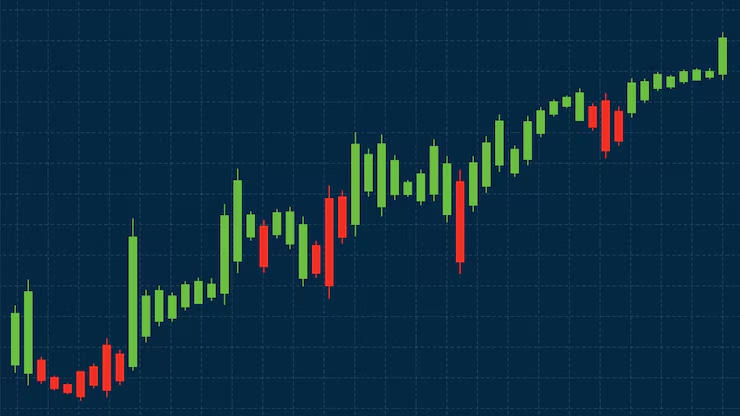
6. Stock Market Volatility Is Tied to Rate Expectations
Interest rates in 2026 continue to drive stock market swings.
Growth stocks (like tech companies) are especially sensitive to rates because their valuations depend on future earnings. Lower rates generally:
- Increase investor risk appetite
- Boost growth stock valuations
- Support broader market rallies
Higher or persistent rates may:
- Pressure high-growth sectors
- Strengthen defensive industries
- Increase demand for dividend stocks
Understanding this relationship helps investors stay calm during market fluctuations.
7. Inflation Data Still Drives Rate Decisions
The Fed’s primary target remains inflation.
Key reports investors monitor include:
- Consumer Price Index (CPI)
- Producer Price Index (PPI)
- Employment reports
- GDP growth data
If inflation cools sustainably, rate cuts become more likely. If inflation remains sticky, higher rates could persist longer.
You can track official inflation data from the U.S. Bureau of Labor Statistics.
Interest rates in 2026 ultimately depend on how these economic indicators evolve.
What Interest Rates in 2026 Mean for Investors
So how should everyday investors respond?
Here are practical takeaways:
1. Stay Diversified
Rate cycles impact asset classes differently. A diversified portfolio helps manage uncertainty.
2. Avoid Emotional Decisions
Markets often overreact to rate headlines. Long-term strategies outperform reactionary trading.
3. Keep Cash Working
With interest rates in 2026 still relatively elevated, idle cash should earn competitive returns.
4. Focus on Long-Term Goals
Trying to predict exact Fed decisions rarely leads to better outcomes.
The Bigger Picture: A Transition Phase
Interest rates in 2026 represent a transition period.
We are no longer in:
- Emergency pandemic stimulus mode
- Ultra-low rate territory
But we may also be moving away from:
- Aggressive tightening cycles
This middle ground creates both opportunities and uncertainty.
For disciplined investors, this environment rewards patience more than prediction.
Conclusion
Interest rates in 2026 are shaping everything from savings yields to stock valuations and mortgage costs.
The key updates to remember:
- The Fed is moving cautiously.
- Rate cuts are possible but not guaranteed.
- Savings accounts remain attractive.
- Bonds are adjusting to shifting expectations.
- Mortgage rates are still elevated.
- Stocks react strongly to rate signals.
- Inflation data remains critical.
Instead of trying to outguess the Federal Reserve, focus on building a resilient financial strategy.
At FluentMoney, we believe informed investors make calmer, smarter decisions — especially during uncertain market cycles.
Next Steps
If you want to stay ahead of interest rate trends:
- Review your emergency fund and savings yield.
- Rebalance your investment portfolio if needed.
- Avoid making major financial decisions based solely on headlines.
- Continue learning how macroeconomic trends affect your money.
Understanding interest rates in 2026 isn’t about predicting the future — it’s about preparing for it.