

Budgeting is one of those personal finance topics that everyone talks about… but few people actually stick with, so it’s important to learn how to build a budget that actually works.
Maybe you’ve tried budgeting before and it felt like:
- too restrictive
- too complicated
- impossible to maintain
The truth is:
A budget only works if it fits your real life.
In this guide, FluentMoney will walk through a simple, realistic way to build a budget that you can actually follow — without stress or perfection.
What Is a Budget (Really)?
A budget is not a punishment.
A budget is simply:
A plan for where your money goes before it disappears.
It helps you:
- pay bills on time
- stop overspending
- save consistently
- reach financial goals faster
How to Build a Budget That Actually Works in 9 Steps:
Step 1: Know Your Monthly Income
Start with one number:
How much money do you bring in each month?
Include:
- paycheck income (after taxes)
- freelance or side hustle income
- any consistent extra sources
If your income varies, take an average of the last 3–6 months.
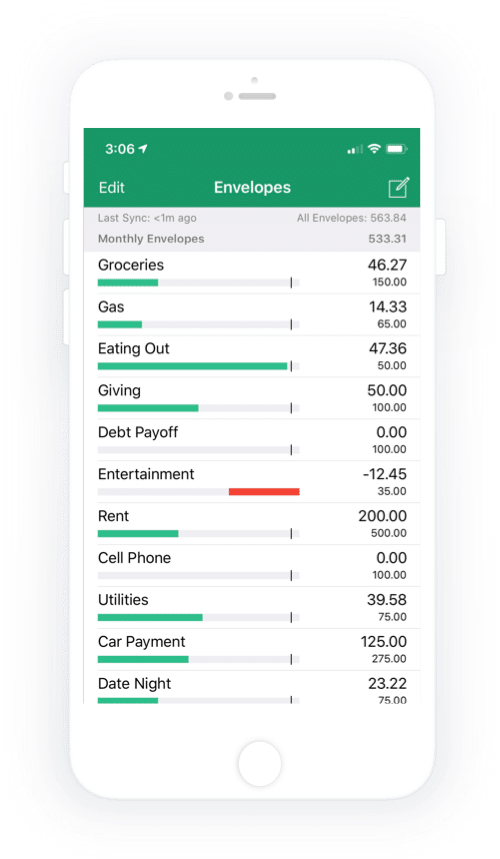
Step 2: Track Your Spending First
Before you create a budget, you need awareness.
Look back at the last 30 days and write down what you spent in categories like:
- housing
- groceries
- transportation
- subscriptions
- eating out
- shopping
- debt payments
Most budgeting problems come from guessing instead of tracking.
Step 3: Start With the 3 Main Budget Categories
To keep budgeting simple, break spending into 3 buckets:
Needs
Essentials you must pay for:
- rent/mortgage
- groceries
- utilities
- insurance
Wants
Non-essentials:
- restaurants
- entertainment
- shopping
Financial Goals
Your future:
- savings
- investing
- debt payoff
This framework keeps your budget realistic.
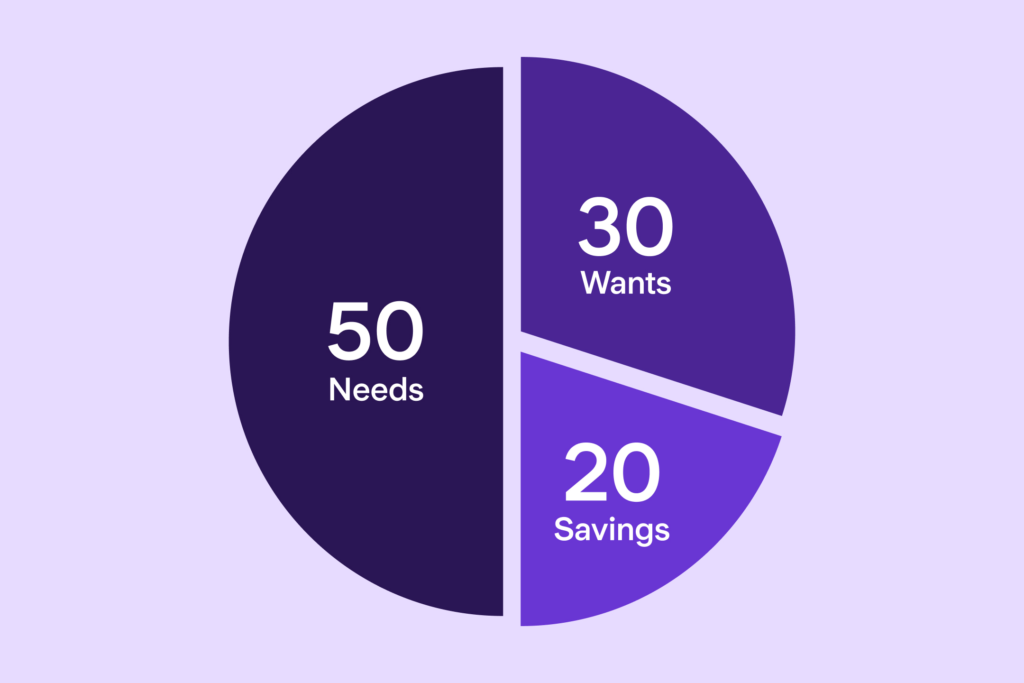
Step 4: Use the 50/30/20 Rule (Beginner-Friendly)
One of the easiest budgeting methods for learning how to build a budget that actually works is:
The 50/30/20 Budget Rule
- 50% Needs
- 30% Wants
- 20% Savings + Debt
Example:
If you earn $3,000/month:
- $1,500 → Needs
- $900 → Wants
- $600 → Savings/debt
This is a great starting point — not a strict law.
Step 5: Focus on One Goal at a Time
A budget becomes powerful when it supports a goal.
Choose one main priority, such as:
- building an emergency fund
- paying off credit card debt
- saving for a house
- investing consistently
Trying to do everything at once often leads to burnout.
Emergency Fund Explained: How Much You Need
Step 6: Make It Easy to Maintain
The best budget is the one you’ll actually follow.
Keep it simple:
- use 5–7 categories max
- automate bills when possible
- review weekly, not daily
- allow room for fun
A budget that feels too strict will fail.
Step 7: Expect Imperfection (Budgeting Is Practice)
Your first budget will not be perfect.
And that’s okay.
Budgeting is like learning a skill:
- you adjust
- you improve
- you get more confident over time
Instead of quitting, ask:
- What category surprised me?
- What can I change next month?
Progress matters more than perfection.
Step 8: Use Tools That Help
You don’t need fancy software, but tools can make budgeting easier.
Options:
- simple spreadsheet
- notes app
- budgeting apps like YNAB or Mint alternatives
- automatic bank tracking
Choose what fits your personality.
Step 9: Budgeting Mistakes to Avoid
Here are common reasons budgets fail:
Being too strict
Leaving no room for enjoyment.
Forgetting irregular expenses
Car repairs, gifts, annual bills.
Not tracking spending
A budget without tracking is just a guess.
Giving up after one bad month
One mistake doesn’t mean failure.
A Simple FluentMoney Budgeting Plan
If you want a straightforward starting system:
- Track last month’s spending
- List your income
- Use the 50/30/20 rule
- Automate savings
- Review weekly
- Adjust monthly
That’s it.
Final Thoughts
A budget isn’t about controlling every dollar.
It’s about creating freedom.
When you tell your money where to go, you stop wondering where it went.
Budgeting is one of the most important steps in becoming fluent with money — and FluentMoney is here to help you keep it simple.
Next FluentMoney Guides
Continue your path to building your foundation: