
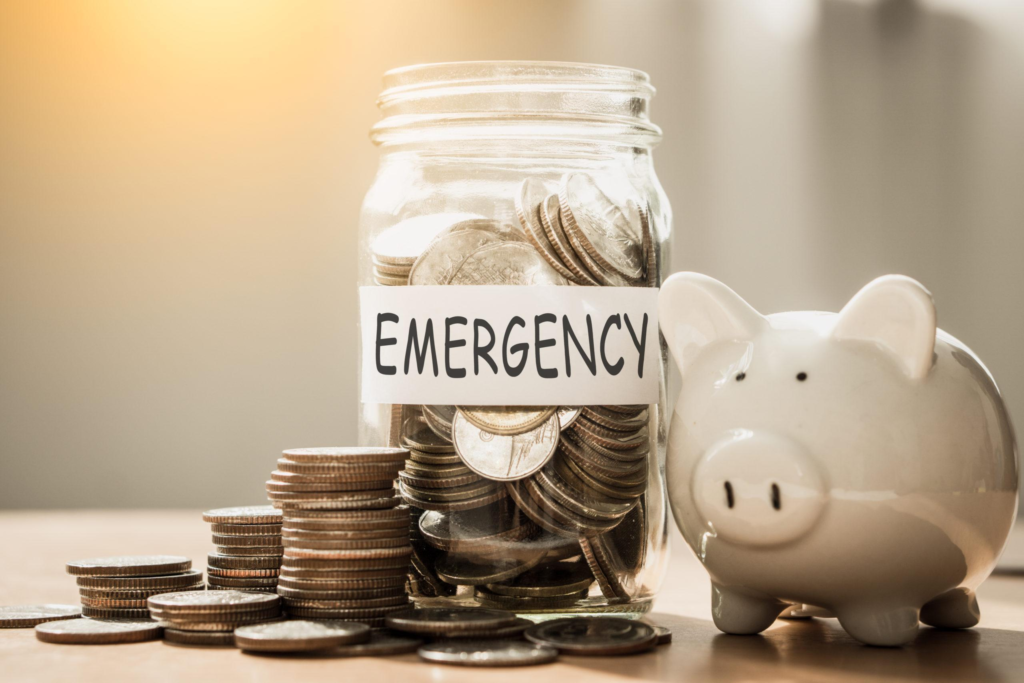
An emergency fund explained in simple terms: it’s money you set aside to protect yourself from life’s unexpected expenses.
Car repairs. Medical bills. Job loss. Sudden travel. Broken appliances.
Without savings, these moments often turn into credit card debt.
In this guide, we’ll break down exactly how much you really need, how to calculate your personal number, where to keep the money, and how to build it — even if you’re starting from zero. We also suggest checking our Saving Money Guide to learn the basics about finance.
What Is an Emergency Fund?
An emergency fund is a cash reserve specifically for unexpected, necessary expenses.
It is not:
- A vacation fund
- A shopping fund
- A down payment fund
- An investment account
It’s financial protection.
According to the Federal Reserve, many Americans struggle to cover a $400 emergency expense without borrowing money. That’s exactly why building this safety net matters.
Why an Emergency Fund Is So Important
When you don’t have savings, emergencies become financial setbacks that can take months — or years — to recover from.
An emergency fund helps you:
- Avoid high-interest credit card debt
- Prevent dipping into retirement accounts
- Reduce financial stress
- Stay on track with long-term goals
- Sleep better at night
Think of it as insurance you pay to yourself.

Emergency Fund Explained: How Much You Really Need
This is the big question.
You’ve probably heard the common advice: 3 to 6 months of expenses.
That’s a good starting rule — but it’s not one-size-fits-all.
Step 1: Calculate Your Monthly Essentials
Only include necessary expenses:
- Rent or mortgage
- Utilities
- Groceries
- Insurance
- Minimum debt payments
- Transportation
- Childcare
Do not include:
- Dining out
- Subscriptions
- Entertainment
- Shopping
Example:
| Expense | Monthly Cost |
|---|---|
| Rent | $1,500 |
| Utilities | $200 |
| Groceries | $500 |
| Insurance | $300 |
| Car payment | $350 |
| Gas | $150 |
| Minimum debt | $200 |
Total essentials: $3,200 per month
Step 2: Multiply by 3 to 6 Months
Using the example above:
- 3 months = $9,600
- 6 months = $19,200
That’s the traditional recommendation.
But here’s how to personalize it.
How to Choose Between 3, 6, or 9 Months
The right number depends on your situation.
3 Months May Be Enough If:
- You have a stable job
- You work in a high-demand field
- You have dual household income
- You have little debt
6 Months Is Better If:
- You’re the sole earner
- Your income fluctuates
- You work in a competitive industry
- You have dependents
9–12 Months May Make Sense If:
- You’re self-employed
- You’re a freelancer
- You own a small business
- Your income is highly unpredictable
There’s no “perfect” number — only what helps you feel secure.
Start With a Mini Emergency Fund First
If the full amount feels overwhelming, start small.
A starter emergency fund of $1,000 can prevent most minor crises from becoming debt disasters.
Then build toward 3–6 months over time.
Small wins build momentum.
Related guide on FluentMoney: How to Build a Budget That Actually Works
Where Should You Keep Your Emergency Fund?
This money should be:
- Safe
- Liquid (easy to access)
- Separate from daily spending
The best place? A high-yield savings account at a reputable bank.
High-yield accounts typically earn more interest than traditional savings accounts, while still being FDIC-insured up to legal limits. You can confirm coverage rules at the official FDIC website.
Avoid:
- Investing it in stocks
- Locking it in CDs with penalties
- Keeping it in cash at home
Your emergency fund is not for growth. It’s for protection.
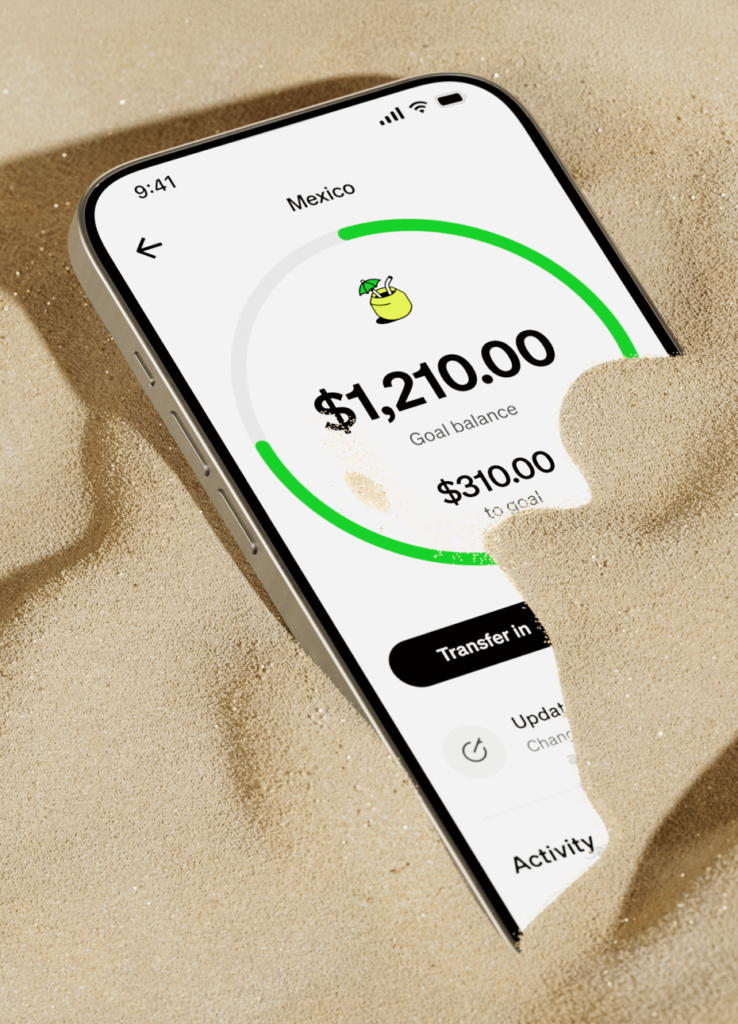
How to Build an Emergency Fund Faster
Saving several months of expenses sounds intimidating — but it’s doable with a plan.
1. Automate It
Set up automatic transfers every payday.
Even $50–$100 per paycheck adds up.
2. Use Windfalls
Tax refunds, bonuses, gifts — send a portion directly to savings.
3. Cut One Temporary Expense
Cancel one subscription.
Pause dining out for 30 days.
Redirect that money to your fund.
4. Increase Income (Short-Term)
A temporary side hustle can accelerate progress dramatically.
When Should You Use Your Emergency Fund?
This is where discipline matters.
Use it for:
- Job loss
- Medical emergencies
- Major car repairs
- Essential home repairs
- Urgent travel for family emergencies
Do not use it for:
- Vacations
- Holiday gifts
- Sales or shopping
- Lifestyle upgrades
After using it, your next goal is simple: rebuild it immediately.
Common Emergency Fund Mistakes
Let’s avoid these:
1. Investing It in the Stock Market
Markets fluctuate. You don’t want your safety net dropping 20% during a recession.
2. Keeping It in Checking
Too easy to spend.
3. Saving Too Much Too Soon
If you have high-interest credit card debt, you may want to build a small emergency fund first, then aggressively pay off debt before expanding it.
4. Never Adjusting It
If your expenses rise, your emergency fund target should rise too.
Review it yearly.
Emergency Fund vs. Other Savings Goals
It’s easy to confuse savings categories.
| Goal | Purpose |
|---|---|
| Emergency Fund | Unexpected expenses |
| Sinking Fund | Planned irregular expenses |
| Vacation Fund | Travel |
| Investment Account | Long-term growth |
Your emergency fund comes first — before investing, before upgrading lifestyle, before major purchases.
Why?
Because without protection, every other goal is fragile.
How Long Does It Take to Build?
It depends on:
- Your income
- Your savings rate
- Your expenses
Example:
If you save $500 per month:
- $6,000 in 12 months
- $12,000 in 24 months
Consistency beats speed.
Even slow progress protects you more than doing nothing.
The Psychological Benefit of an Emergency Fund
This might be the most underrated part.
An emergency fund:
- Reduces anxiety
- Improves decision-making
- Gives you confidence to negotiate salary
- Makes job transitions less scary
Financial security isn’t just math — it’s peace of mind.
And peace of mind is powerful.
Final Thoughts
If you take one thing away from this emergency fund explained guide, let it be this:
The exact number matters less than starting.
Even $500 saved is better than zero.
Even one month of expenses is better than none.
Your emergency fund is the foundation of financial stability. Build it first — then build everything else on top.
Next Steps
- Calculate your monthly essential expenses.
- Set a starter goal ($1,000 or one month of expenses).
- Open a high-yield savings account.
- Automate weekly or biweekly transfers.
- Review and increase your goal annually.
Small steps today create financial security tomorrow.
You might be also interested in learning: Forecasting vs Budgeting
You might be also interested in learning: How to Pay Off Debt Fast